by Pamela Villegas | Guide
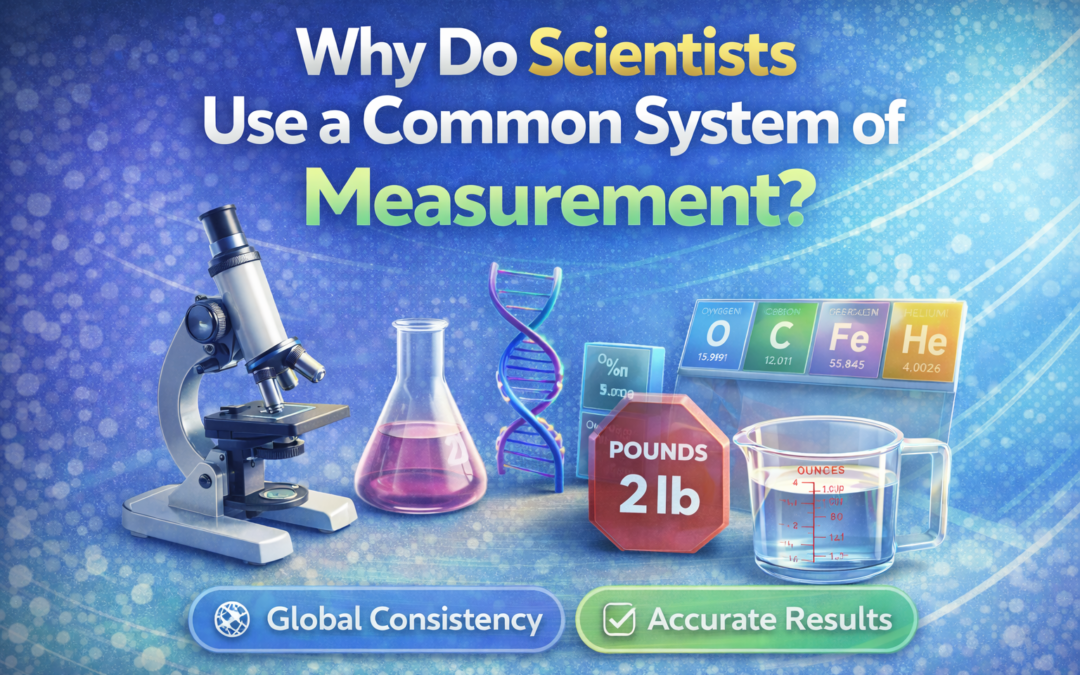
When you ask why do scientists use a common system of measurement, you are really asking how science maintains clarity across borders, disciplines, and generations. A shared measurement framework allows researchers in the United States, Europe, and Asia to compare...
by Pamela Villegas | Guide
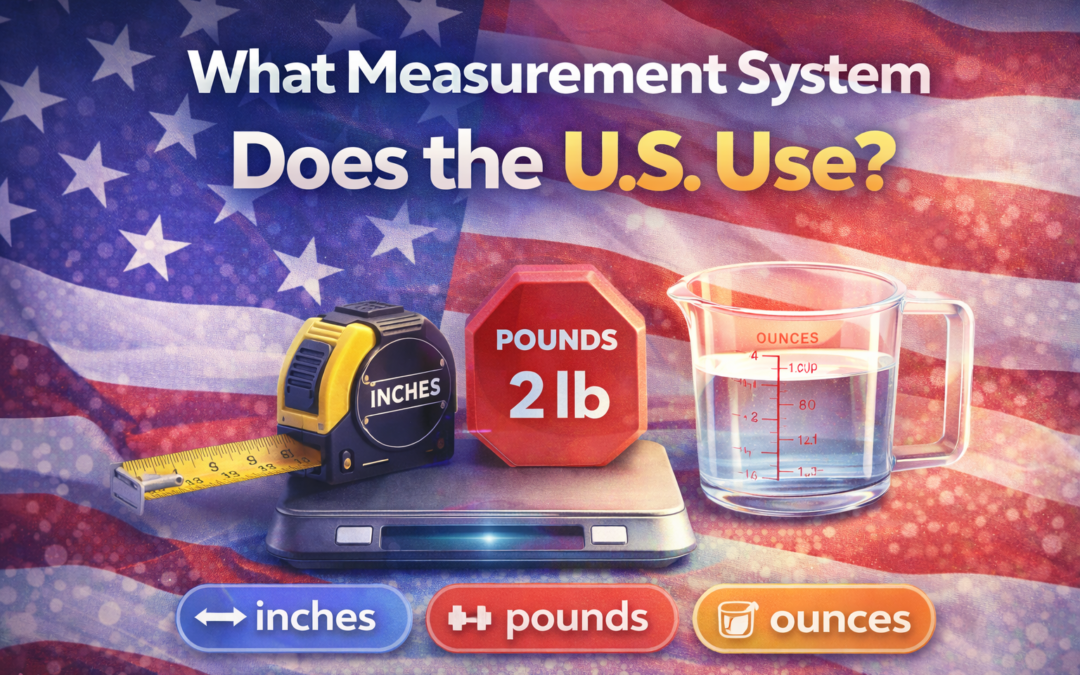
If you have ever wondered what measurement does the US use, you are not alone, because the answer is more layered than most people expect. You use miles on highways, pounds at the grocery store, and Fahrenheit in weather forecasts, yet scientists and global industries...
by Pamela Villegas | Guide
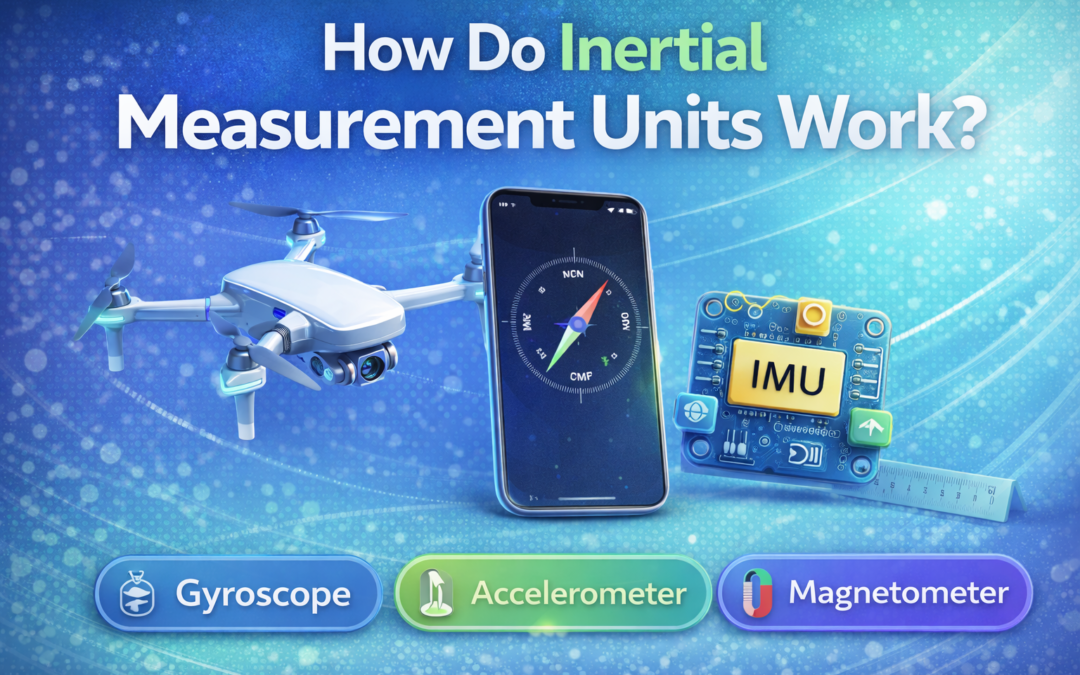
Understanding how do inertial measurement units work helps you grasp the technology behind drones, smartphones, vehicles, and advanced robotics. An inertial measurement unit, or IMU, measures motion using internal sensors that detect acceleration and rotation in three...
by Pamela Villegas | Guide
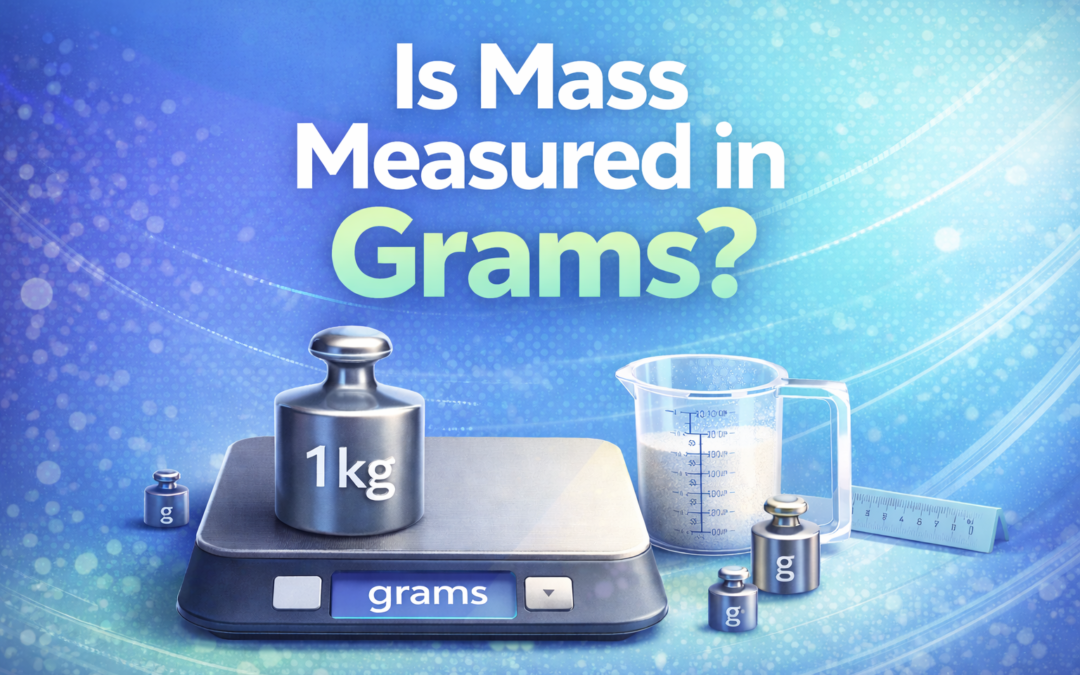
Is mass measured in grams? Yes, mass is commonly measured in grams, especially for smaller objects and everyday applications in the United States and worldwide. When you understand how grams relate to kilograms and how mass differs from weight, you gain clarity in...

by Pamela Villegas | Guide
When you see “8 oz.” on a recipe, you probably accept it without thinking. Yet the abbreviation “oz” seems oddly disconnected from the word ounce. Why that strange “z”? The answer lies in linguistic history, medieval trade, and centuries of adaptation. In this...
by Pamela Villegas | Guide
The short answer: no — ounces are not a metric unit. Ounces belong to the Imperial / U.S. customary measurement system and coexist with the metric (SI) system through fixed conversions. In this article you’ll learn what ounces measure, why they are not metric, how...